
How Do Professional Tree Lopping Services in Sydney Keep Properties Safe?
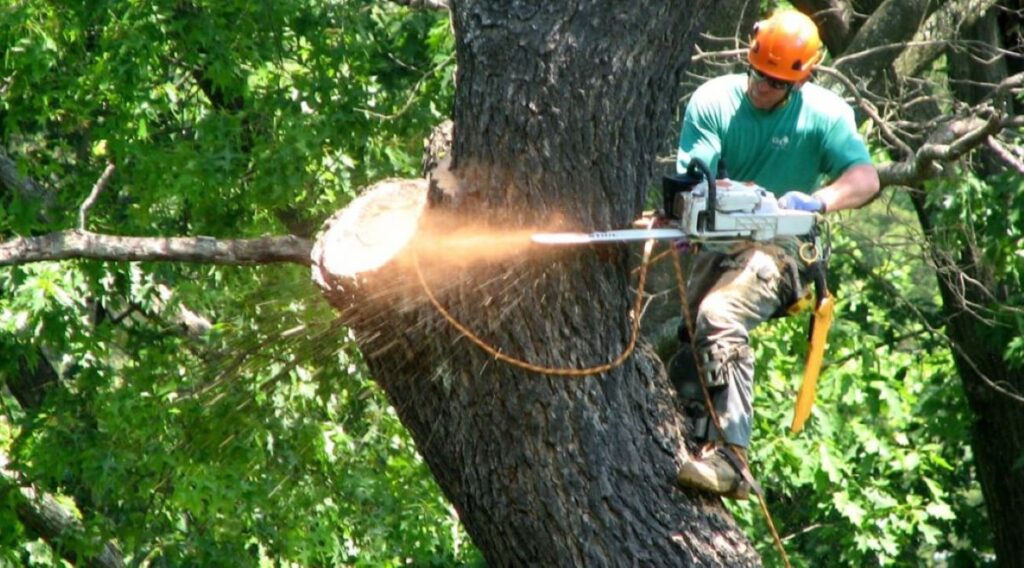
A professional tree lopping service Sydney provides essential protection for homes and businesses by managing hazardous trees that threaten structures, power lines, and people. These certified specialists use advanced equipment and proven techniques to identify and eliminate risks before they cause damage or injury.
Property safety depends on proactive tree management. Overgrown branches, diseased limbs, and storm-damaged trees create serious hazards that require immediate attention. Professional arborists assess each situation carefully, determining the safest approach to remove dangerous sections while preserving tree health where possible.
This article explores the critical aspects of professional tree lopping services:
- The specific situations requiring urgent tree intervention
- How certified arborists evaluate and address safety risks
- The methods professionals use to protect both properties and tree health
- Additional services that maintain safety after lopping work
- Key considerations when selecting a reliable Sydney tree lopping company
Understanding these elements helps property owners make informed decisions about tree management and maintain safer outdoor spaces.
What Exactly Is Tree Lopping and When Is It Necessary?
Tree lopping refers to the precise removal of large branches or sections of a tree, typically involving more significant cuts than standard pruning. This urgent tree care technique addresses immediate safety concerns rather than routine maintenance, making it distinct from regular tree trimming activities.
Property owners require lopping services when trees present clear and present dangers. A tree with structurally compromised branches hanging over a home, driveway, or outdoor living space demands swift action to prevent potential catastrophe. Disease-weakened limbs can snap without warning, while tree lopping service Sydney ensures safe intervention when excessive growth near power lines creates serious electrical hazards.
Urgent intervention becomes necessary in several critical scenarios:
- Severe storm damage leaving branches partially broken or dangling precariously
- Trees leaning dangerously toward buildings after heavy rainfall has destabilized root systems
- Dead or dying sections that could fall during high winds
- Rapid growth encroaching on structures, rooflines, or utility infrastructure
- Emergency situations where immediate removal prevents imminent property damage
Sydney’s unpredictable weather patterns—from intense summer storms to powerful coastal winds—frequently create conditions requiring rapid response. A branch that appears stable one day might become a liability after overnight weather events. Professional assessment determines whether lopping offers the safest solution or if complete removal better serves the property’s long-term protection.
How Do Certified Arborists Assess Tree Safety Risks?
Certified arborists in Sydney conduct systematic inspections using specialized knowledge to identify potential hazards before they become dangerous. These professionals examine trees from multiple angles, checking root systems, trunk integrity, branch structure, and overall tree health to determine what risks exist.
Identifying Hazards
The hazard identification process involves looking for specific warning signs that indicate a tree could fail. Arborists evaluate:
- Structural defects: cracks, splits, or weak branch unions that compromise stability
- Disease indicators: fungal growth, cankers, or unusual bark discoloration
- Pest infestations: that weaken wood integrity and create hollow sections
- Dead or dying branches: that could break and fall without warning
- Root damage: from construction, soil compaction, or decay that affects anchoring
- Excessive lean: or changes in tree posture suggesting instability
Assessing Environmental Factors
Certified arborists also assess environmental factors that increase risk. Trees growing too close to structures, power lines, or high-traffic areas receive particular attention. They evaluate how recent weather events may have stressed trees, creating hidden damage that isn’t immediately visible to untrained eyes.
Protecting Trees During Construction
One significant environmental factor is the impact of construction activities on trees. It’s crucial for arborists to implement strategies for protecting trees during construction to minimize damage.
Evaluating Potential Targets
The assessment includes measuring the proximity of potential targets—buildings, vehicles, walkways, or play areas—that could be damaged if a tree or branch fails. This comprehensive evaluation allows arborists to prioritize which trees need immediate intervention and what specific lopping techniques will effectively eliminate hazards while preserving tree health wherever possible.
Understanding Tree Health and Safety More
To further enhance their assessments, certified arborists rely on extensive resources and training materials such as those found in the detailed guide on understanding tree health and safety. This comprehensive resource provides valuable insights into the various aspects of tree care and safety measures that should be taken into account during an assessment.
Why Is Professional Tree Lopping Essential for Property Protection?
How does professional tree lopping prevent property damage?
Dangerous overhanging branches create immediate threats to buildings, vehicles, fences, and power lines. Professional tree lopping removes these hazards before they cause costly damage during storms or high winds. A single falling branch can shatter windows, puncture roofs, or destroy outdoor structures—repairs that often exceed thousands of dollars.
What makes structural integrity crucial for long-term safety?
Trees with compromised structural integrity pose escalating risks over time. Weak branch unions, co-dominant stems, and unbalanced canopies create failure points that worsen with each weather event. Professional tree lopping services in Sydney address these vulnerabilities by strategically removing problematic growth patterns. This targeted approach strengthens the tree’s overall architecture while eliminating sections most likely to fail.
How does risk mitigation extend beyond immediate concerns?
Property protection through professional lopping encompasses both present and future safety considerations. Certified arborists identify branches that may not pose immediate danger but will become hazardous as they continue growing toward structures or utility lines. Early intervention prevents emergency situations and reduces the likelihood of catastrophic failures during severe weather events.
The precision of professional services ensures that property protection measures don’t compromise tree health. Proper cutting techniques, timing, and wound management help trees recover while maintaining the safety improvements achieved through lopping.
How Do Professionals Ensure Tree Health While Enhancing Safety?
Experienced tree loppers approach each job with a dual focus: eliminating immediate hazards while promoting tree health for years to come. They carefully evaluate which branches to remove, making strategic cuts that reduce risk without compromising the tree’s ability to thrive and recover.
AS 4373-2007 standards compliance guides every decision professional arborists make during lopping operations. This Australian Standard for pruning ensures cuts are made at appropriate locations—typically just outside the branch collar—to facilitate proper healing and minimize stress on the tree. The standard also dictates:
- Maximum branch removal percentages to prevent shock
- Proper timing for different tree species
- Techniques that maintain the tree’s natural defense mechanisms
- Methods that preserve structural balance
Professional loppers understand that aggressive or poorly executed cuts can leave trees vulnerable to disease, pest infestation, and decay. They avoid creating large wounds unnecessarily and never remove so much foliage that photosynthesis becomes compromised. When lopping is required for safety, they plan cuts that redirect growth patterns in beneficial directions.
The result is a tree that remains structurally sound and healthy despite intervention. Certified arborists document their approach for each tree, considering factors like species-specific growth habits, seasonal timing, and the tree’s overall condition before making any cuts.
What Additional Services Do Professional Tree Loppers Provide Beyond Lopping?
Professional tree lopping companies in Sydney offer more than just cutting branches. They also provide debris removal services to handle the entire cleanup process after lopping. This means they will collect and dispose of all wood chips, branches, and foliage that are created during the lopping operation. By doing this, they ensure that your property stays neat and free from any potential hazards.
Eco-Friendly Practices
Many reputable tree lopping services in Sydney are committed to being environmentally friendly. Instead of sending the waste generated from lopping to landfills, they find ways to repurpose it into valuable resources. These Eco-Friendly Practices help ensure that cut branches and timber are reused responsibly. Here are some examples of what happens to cut branches and timber:
- Mulch: The wood is turned into mulch, which can be used for garden beds and landscaping projects.
- Wood Chips: The branches are processed into wood chips, which can be used for pathways and erosion control.
- Firewood: Some companies sell the cut timber as firewood for local distribution.
These sustainable practices not only reduce waste but also provide property owners with useful byproducts that can enhance their outdoor spaces
Additional Services Offered
In addition to lopping and debris removal, many professional tree loppers offer other services to meet the needs of their clients. Here are some common additional services you might find:
- Stump Grinding: After a tree has been removed, the stump can be an unsightly obstacle in your yard. Stump grinding involves using specialized equipment to grind down the stump below ground level, allowing you to reclaim that space for other purposes such as planting or landscaping.
- Emergency Storm Response: Severe weather events like storms can cause trees to fall or branches to break off, posing a danger to your property and its occupants. Some tree lopping companies have emergency response teams available who can quickly come to your location outside regular business hours and address these urgent situations. These teams often provide crucial storm debris removal services, ensuring your property is safe and secure after a storm.
- Tree Pruning: While lopping involves removing larger branches or limbs from a tree, pruning focuses on trimming smaller branches for maintenance purposes. This helps promote healthy growth, improve aesthetics, and prevent potential hazards caused by overgrown or dead limbs.
By offering these additional services alongside their core lopping expertise, professional tree loppers aim to provide comprehensive solutions for all aspects of tree management on residential or commercial properties.
This ensures that not only are trees being properly maintained but also any associated issues such as stumps or fallen debris are dealt with effectively as well.
Benefits of Hiring Professionals
While some property owners may attempt DIY methods for tree lopping or maintenance tasks, there are several benefits to hiring professionals instead:
- Safety First: Tree work can be dangerous if not done correctly. Professionals have the training, experience, and equipment necessary to carry out these tasks safely without putting themselves or others at risk.
- Time-Saving: Tree lopping can be time-consuming depending on the size and number of trees involved. By hiring professionals who specialize in this area, you can save valuable time and focus on other important aspects of your
How Can Property Owners Ensure They Hire Reliable Sydney Arborists?
Selecting the right tree lopping service requires careful evaluation of several critical factors. Property owners should prioritize companies with proven track records and certified arborists who understand local regulations and safety standards.
Key considerations include:
- Reputation and reviews: Check online testimonials and ask for references from previous clients to gauge customer satisfaction delivered by Sydney arborists.
- Certifications and insurance: Verify the company holds proper qualifications, including Australian Standards compliance and comprehensive liability coverage.
- Experience level: Choose services with extensive knowledge handling diverse tree species and challenging situations specific to Sydney properties.
- Transparent pricing: Request detailed quotes that break down costs without hidden fees, ensuring you understand exactly what you’re paying for.
Companies demonstrating open communication respond promptly to inquiries and explain their processes clearly. This transparency builds trust and ensures professional tree lopping services in Sydney through accountable practices that protect both your property and investment.
for more detail click here: Why It Pays to Hire Licensed Experts for Tree Lopping Sydney